
Every day, the sun performs a silent act of worship by bowing below the horizon at its appointed time. For the believer, this transition is not just a change in weather or light, but a call to immediate action. The prayer at sunset holds a unique position because it is the only one that truly waits for no one. Checking the Maghrib Timing at Masjid As-Siddiq reveals a window that is strikingly brief compared to the hours given for other prayers. This urgency is a gift from Allah to shake us out of our worldly distractions. It forces a pause in the middle of evening chaos, demanding that we prioritize our Creator over our chores, our business, and our rest.
Spiritual success often depends on how we handle these narrow windows of time. When the red glow of the sky begins to fade, a specific peace descends upon the earth, but it is a peace that moves quickly. Missing this time feels like a heavy weight on the soul because the opportunity for that specific reward has slipped away. This prayer acts as the gateway to the night, a moment to ask for protection as the world turns dark. It is a daily reminder that our time on this earth is also a shrinking window. We are encouraged to race toward forgiveness and the pleasure of Allah before our own personal sun sets for the final time.
The Divine Wisdom Behind Shortened Windows
Allah has designed the day with a variety of rhythms to keep the human heart alert. While the time after the Dhuhr Timing at Masjid As-Siddiq feels wide and spacious, the sunset period is tight and focused. This contrast is intentional. It prevents the believer from falling into a state of heedlessness or "Ghaflah." If every prayer had a four-hour window, the sense of longing and the discipline of punctuality might wither away. The swiftness of the sunset prayer trains the soul to be ready at a moment’s notice. It builds a character that is responsive to the commands of the Divine, even when life is at its loudest.
Scholars often talk about the "Karaha" or dislike of delaying this prayer until the stars are thick in the sky. The beauty of the prayer lies in its connection to the actual disappearance of the sun. Performing it while the traces of day are still visible connects the worshipper to the natural order of the universe. When we stand for prayer at this time, we are joining the trees, the birds, and the mountains in their evening glorification. This alignment with nature brings a profound sense of "Sakinah" or tranquility that cannot be found in a rushed, late prayer.
Preparing the Heart for the Evening Meeting
Approaching the prayer mat should never feel like a chore, yet the speed of the evening often makes it feel like a race. To truly find "Khushu" or humility, the preparation must start before the sun actually touches the horizon. Making Wudu with mindfulness and sitting in the direction of the Qibla a few minutes early changes the entire experience. It allows the heart to settle and the worldly noise to quiet down. This preparation is a sign of a heart that truly honors the symbols of Allah. It turns a quick three units of prayer into a deep, emotional conversation with the Giver of Life.
Many find that the transition is easier when they have already checked the Fajr Timing at Masjid As-Siddiq earlier in the day to plan their schedule. Knowing the bookends of the day—the dawn and the sunset—helps a person navigate the middle hours with more purpose. The Prophet (peace be upon him) loved for his followers to be punctual, as it reflects a mind that is organized and a soul that is focused. When a family gathers to pray at sunset, they are inviting Barakah, or divine blessing, into their home for the night ahead. This collective worship creates a shield of light that protects the household from the whispers of the night.
The Emotional Reward of Early Submission
There is a specific joy that fills the chest when the "Salam" is given while the sky still holds a hint of purple and orange. It is the joy of a duty fulfilled and a promise kept. This emotional boost provides the energy needed to finish the rest of the evening's tasks with a clear conscience. Submission, or "Islam," literally means to find peace through surrendering to the will of Allah. By surrendering our schedule to the sunset prayer, we are practicing the very essence of our faith. We are telling our ego that its plans are secondary to the timing of the Lord of the Worlds.
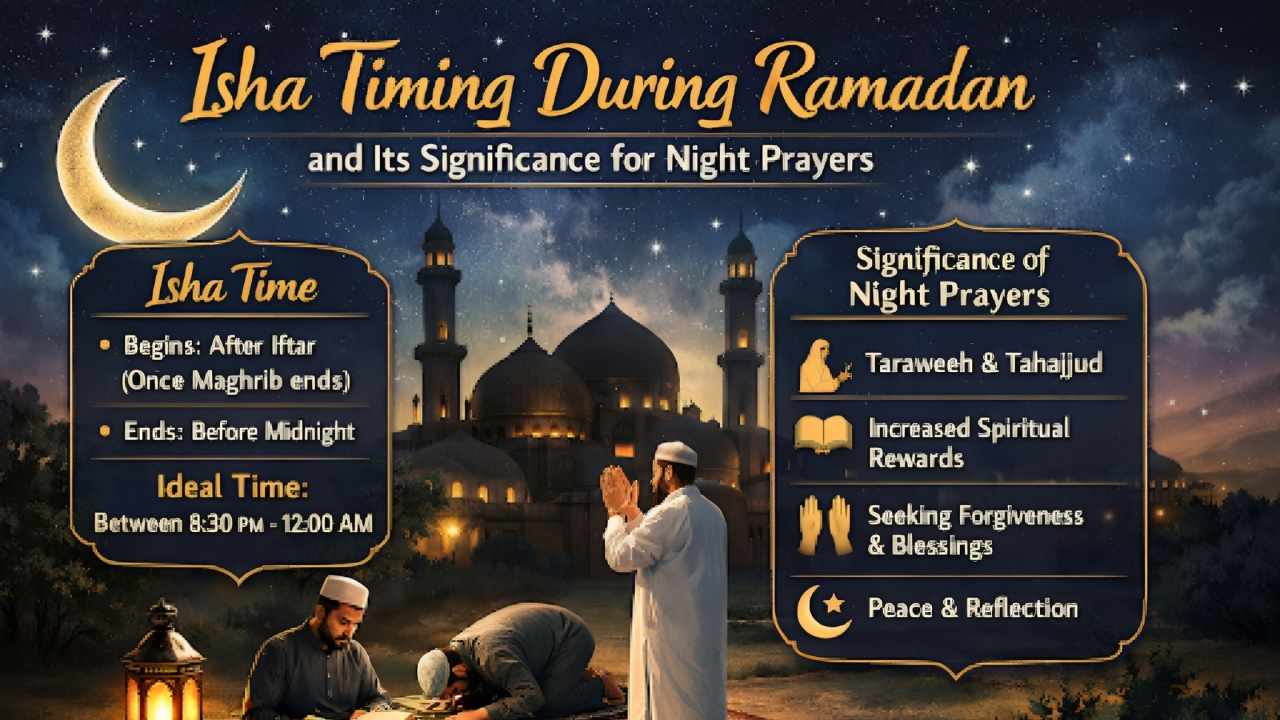
The night is a time when the soul returns to its source in sleep, and the sunset prayer is the preparation for that return. It is a time to repent for the mistakes made during the day and to ask for a "Hassanah" or good end. Those who make it a habit to be early for this prayer often find that other areas of their life become more orderly. Allah puts a blessing in the time of those who put Him first. The rush of the sunset becomes a beautiful dance of devotion rather than a stressful struggle against the clock. It becomes a moment we crave—a secret meeting with the One who never tires of hearing our voice.
Standing Together at Masjid As-Siddiq—Islamic Center of West Georgia
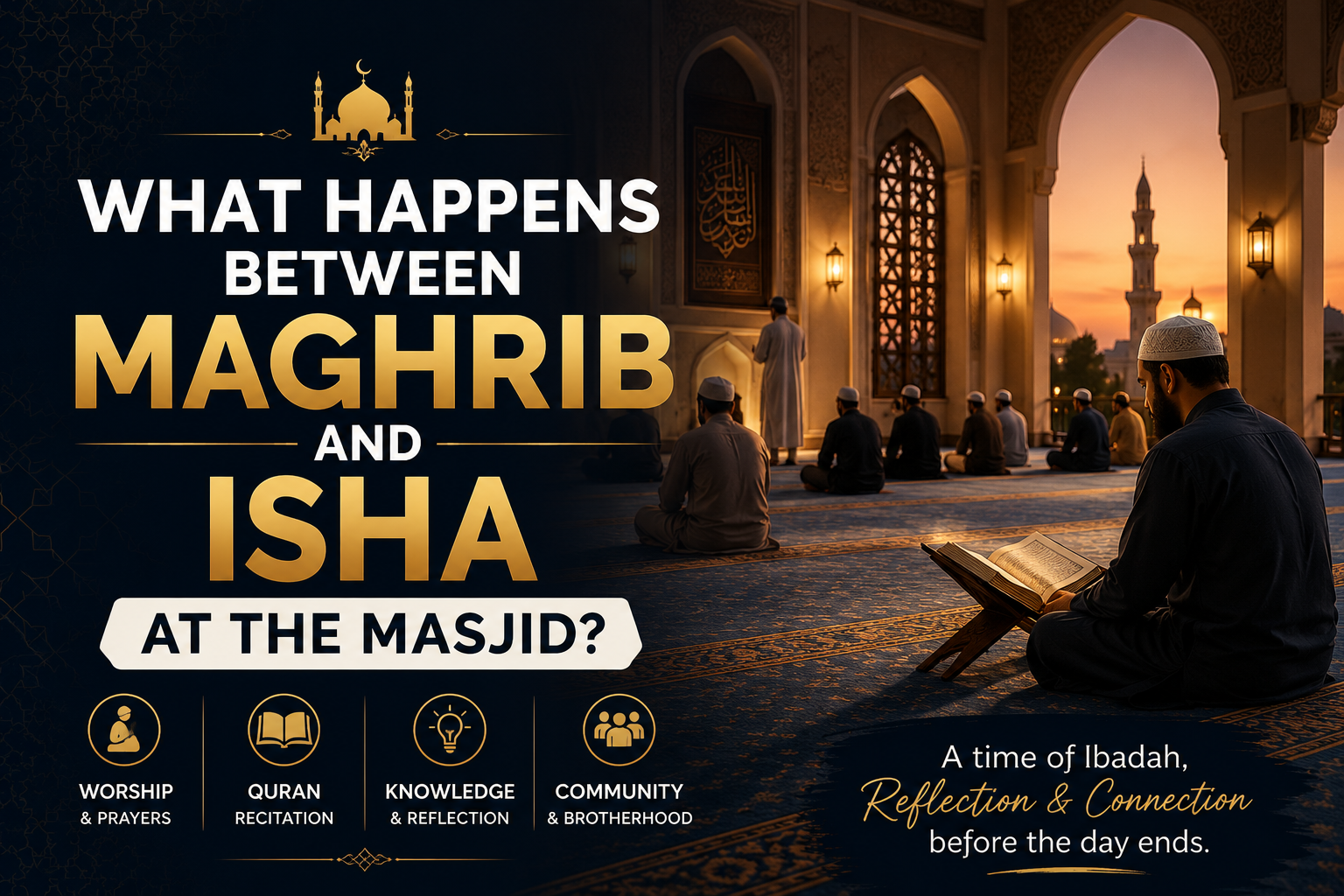
The beauty of the Ummah is most visible when the community stands shoulder to shoulder as the day comes to a close. Masjid As-Siddiq—Islamic Center of West Georgia provides the perfect environment for this collective act of devotion. In the quiet halls of the Masjid, the urgency of the sunset prayer is transformed into a peaceful, shared experience. Being part of a congregation reminds every individual that they are not alone in their struggle to stay upright. The collective "Ameen" that echoes through the prayer hall serves as a powerful reminder of the strength found in unity and shared faith.
Within the sanctuary of Masjid As-Siddiq—Islamic Center of West Georgia, the time-sensitive nature of the prayer is treated with the respect it deserves. It is a place where the local community can disconnect from the digital world and reconnect with the Eternal. The center acts as a lighthouse, guiding the faithful through the busy evening hours toward a state of spiritual success. By prioritizing the sunset prayer together, the congregants build a foundation of brotherhood and sisterhood that lasts long after the sun has disappeared. It is here, in the heart of the community, that the light of the Quran and the warmth of the Sunnah truly come to life.




Write a comment ...